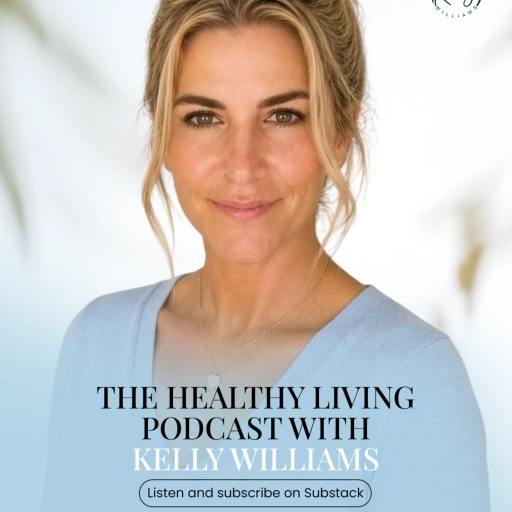
Interview with Kelly Williams, Podcast Host, Author and Wellness Coach, Kelly's Coaching
The podcast host, author and wellness coach discusses burnout, boundaries, movement breaks, mindset and box breathing as tools for sustainable self-care.
Interview with Kelly Williams · Edited by Jenn Moon, Editor at Featured News · Nov 12, 2026
As a podcast host, author, and wellness coach in the professional training and coaching field, how do you describe the wellness perspective you bring to your work?
The wellness perspective I bring to my work is rooted in the belief that true wellness encompasses the whole person: mind, body and spirit. Growing up as an ice skater and dancer, movement was a significant part of my identity. When I experienced a knee injury, it affected much more than my physical health. It also challenged me emotionally and mentally because something that had brought me such joy and defined me suddenly became difficult.
Through physical therapy, I began the process of healing physically. But I also discovered that healing required something more. I had to shift my mindset, embrace a growth mindset and incorporate mindfulness into my everyday life.
That experience taught me that wellness is not just about recovering from an injury or overcoming a difficult season; it's about learning to adapt and become more self-aware as we grow through life's challenges.
Today, as a podcast host, author and wellness coach, I bring that philosophy into everything I do. I encourage people to look beyond the physical aspects of wellness and pay attention to their emotional health, mindset and daily habits.
My goal is to help people understand that wellness is a journey, not a destination, and sometimes our greatest growth comes from the moments that challenge us the most.
What experiences led you to build a career around helping people create more sustainable wellness habits?
After my knee injury, I realized wellness should be realistic, intentional and sustainable. It’s about making small, consistent changes that become part of how we live, not something we do temporarily. Wellness is about changing how we think, how we approach challenges and how we care for ourselves. Sometimes, our greatest challenges become the experiences that allow us to help others.
Which personal experience most changed the way you define wellness, and what practical lesson from it still guides you today?
The personal experience that most challenged the way I define wellness was realizing that my injury was affecting not only my physical health but also my mental and emotional well-being. I had to recognize that healing involved more than just recovering physically; it also required changing my mindset, staying positive and learning to be patient with myself. This experience taught me that wellness is about the connection between mind and body.
The practical lesson that guides me today is to take care of my mental health just as much as my physical health. I remind myself to focus on what I can control, embrace the healing process and maintain a positive outlook. I understand now that wellness is not simply being free from injury but also learning how to care for myself mentally, physically and emotionally.
How has navigating your own busy professional life influenced the boundaries or routines you encourage others to build?
Navigating my own busy professional life has taught me how important it is to establish healthy boundaries and create routines that protect my overall wellness. I tend to overwork and sometimes feel like I need to do everything, but I've learned that constantly being available can lead to stress, exhaustion and burnout. Because of this, I encourage others to set boundaries, such as not checking emails before bed, taking weekends off to rest and recharge and learning to say no when their plate is already full.
The biggest lesson I've learned is that you cannot do everything, and you don't have to. Rest is productive, setting boundaries is not selfish and protecting your personal time is essential to maintaining a healthy work-life balance. I encourage others to prioritize themselves just as much as they prioritize their professional responsibilities.
What has your personal relationship with stress taught you about noticing early signs of burnout before they escalate?
My personal relationship with stress changed when I was balancing my professional responsibilities while also building my own business and handling all of my marketing. I was trying to do everything myself, and eventually, the constant pressure caught up with me. I experienced a period of burnout and elevated blood pressure, which forced me to slow down, rest and give myself time to rejuvenate. This is when I founded my Elevate Wellness Program and published my book, "Elevate Wellness: A Guide to Inner Balance," on Amazon.
My biggest lesson is that building a business means very little if I sacrifice my health in the process. I now encourage others to create balance, set boundaries and remember that rest is just as important as hard work.
You often emphasize progress over perfection; what experience made that principle meaningful to you, and how can readers practice it this week?
One of the most important lessons I've learned is to embrace progress over perfection. When I worked with a coach myself, I learned the value of focusing on the process rather than expecting immediate results. Instead of trying to accomplish everything at once, we worked on setting realistic goals; taking small, intentional steps; and recognizing progress along the way.
That experience changed my perspective because I realized that meaningful growth takes time, patience and consistency. Not every step will be perfect, and results won't always happen as quickly as we would like. Today, I apply this lesson in both my personal and professional life, and I encourage others to do the same. It's not about how quickly we reach the finish line; it's about staying committed to the process and celebrating the progress you make along the way.
How has your own experience with movement, such as walking, stretching or brief exercise breaks, shaped the way you make wellness feel accessible for busy people?
My own experience with movement has shaped the way I encourage others to make wellness simple, realistic and accessible. When I worked a desk job and spent eight hours a day sitting, I realized how much my body needed movement. I didn't always have time for a full workout, so I started incorporating quick movement breaks throughout my workday. I quickly realized that even a few minutes of movement could make a difference in how I felt physically and mentally.
Today, I encourage my clients to incorporate five- to 10-minute movement breaks every one to two hours throughout the day. These could include stretching, walking or quick Pilates movements. My biggest lesson is that even a little movement can make a difference.
What role has mindset played in your personal wellness journey, and what simple practice helps you reset when you begin to overthink?
Mindset has played a huge role in my personal wellness journey. Through my experiences with injury, burnout, stress and balancing my professional life with building my own business, I've realized that I cannot always control what happens, but I can control my mindset, my choices and the steps I take toward feeling better. I've also learned to give myself grace, be patient with the process and focus on progress rather than perfection.
One simple practice that helps me reset when I begin to overthink is stepping away, taking a few deep breaths and reminding myself to focus on what I can control in that moment. Sometimes I take a short walk, stretch or give myself a few minutes of quiet. This helps me clear my mind and refocus.
Looking back on your journey as a wellness coach, what is one small habit that has had an outsized impact on your well-being and that readers can start today?
One simple habit that has made a positive impact on my well-being as a wellness coach is practicing box breathing (4-4-4-4). With a busy life and the demands of running my own business, I sometimes need to take a break to pause, slow down and reset. Here’s a simple practice I encourage my readers and clients to try today:
Breathe in through your nose for four seconds.
Hold your breath for four seconds.
Slowly exhale for four seconds.
Hold for four seconds before repeating.
Try this for a few rounds without forcing your breath.
Sometimes you just need a few seconds to pause, breathe and reconnect with yourself.
Thanks for sharing your knowledge and expertise. Is there anything else you'd like to add?
I have truly enjoyed this interview and the opportunity to share a little about my personal wellness journey. My hope is that everyone takes away the importance of getting to know your body, listening to what it needs, and recognizing when it’s time to pause, relax and slow down. We often get so caught up in our busy lives that we forget to take care of ourselves. Give yourself grace, prioritize your health and remember that taking care of yourself is never time wasted.
The expert featured here is a member of Connectively or HARO, Featured’s expert networks.
About the expert
This content is for informational purposes only and is not a substitute for professional medical advice, diagnosis, or treatment.